Blog
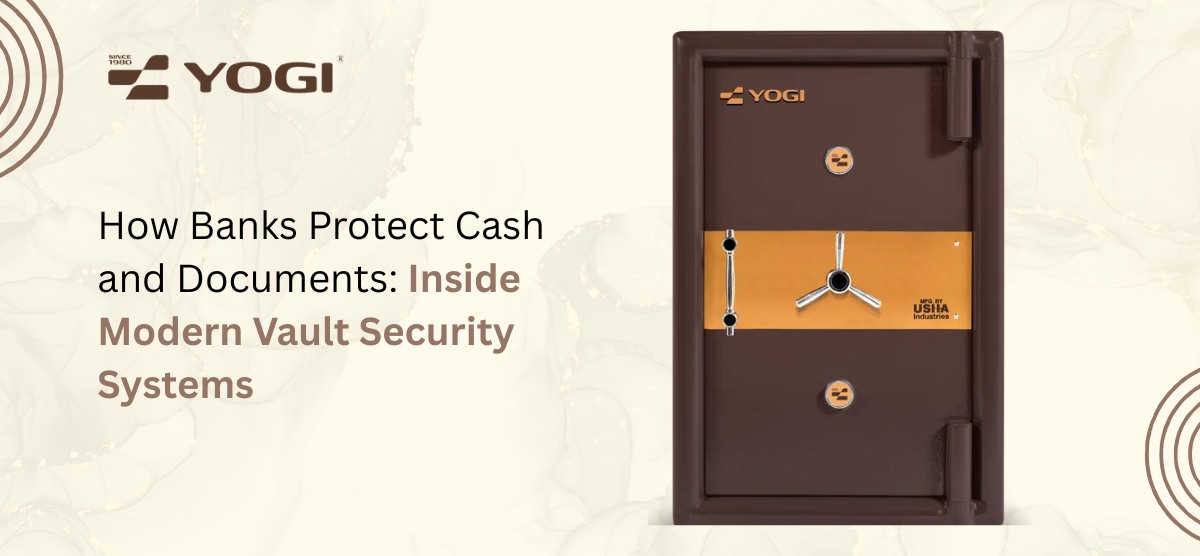
How Banks Protect Cash and Documents: Inside Modern Vault Security Systems
Introduction
Banks are responsible for protecting millions of rupees in cash, valuable assets, confidential records, legal documents, and customer belongings every day. With increasing security threats, theft attempts, cyber risks, and sophisticated criminal activities, traditional locks and security measures are no longer enough.
Modern banks rely on advanced vault security systems, strong room doors, high-security locks, surveillance technologies, and fire-resistant storage solutions to ensure maximum protection. These security systems are carefully designed to prevent unauthorized access, safeguard critical assets, and maintain customer trust.
In this article, we explore how banks protect cash and important documents using modern vault security systems and why investing in high-quality security infrastructure is essential for financial institutions.
Why Vault Security Is Critical for Banks
Banks hold some of the most valuable assets in society.
These include:
- Cash reserves
- Customer valuables
- Legal documents
- Financial records
- Gold and precious metals
- Confidential information
Any breach can result in significant financial losses and reputational damage. Therefore, banks implement multiple layers of physical security to minimize risks and ensure continuous protection.
A modern banking security system is not based on a single lock or door. Instead, it combines multiple technologies and security barriers that work together to create a highly secure environment.
The Heart of Bank Security: Strong Rooms and Vaults
A bank vault, often referred to as a strong room, is the most secure area within a banking facility. These structures are designed to resist burglary attempts, forced entry, drilling, torch attacks, and even natural disasters.
Modern strong rooms are built using:
- Reinforced concrete walls
- High-strength steel reinforcements
- Multi-layer protection systems
- Advanced locking mechanisms
- Fire-resistant materials
The purpose of a strong room is to create a nearly impenetrable space where cash, valuables, and sensitive documents can be safely stored.
Advanced Vault Doors: The First Line of Defense
A vault is only as secure as its door. Modern vault doors are engineered to withstand extreme force and sophisticated burglary attempts.
Key features include:
Multi-Layer Steel Construction
Vault doors are manufactured using hardened steel layers combined with special barrier materials that resist cutting, drilling, and torch attacks.
Torch and Tool Resistance
Modern vault doors are tested against aggressive attack methods using industrial-grade tools and thermal equipment.
Time-Lock Systems
Time locks prevent vaults from being opened during unauthorized hours, even if someone has access credentials.
Automatic Relocking Mechanisms
If an attack is detected, automatic relockers activate and secure the vault immediately.
These advanced features significantly reduce the possibility of unauthorized access.
High-Security Locking Systems Used by Banks
One of the most important components of any vault security system is the locking mechanism.
Banks typically use multiple locking systems simultaneously to enhance security.
Dual Control Locks
Dual-control locks require two authorized individuals to open the vault. This eliminates the risk associated with a single key holder.
10-Lever High-Security Locks
These locks provide exceptional resistance against picking, manipulation, and forced entry attempts.
Combination Locks
Combination locks require specific numerical sequences that only authorized personnel can access.
Electronic Locking Systems
Modern electronic locks offer:
- Access logs
- User authentication
- PIN verification
- Scheduled access control
- Remote monitoring capabilities
The combination of mechanical and electronic security creates a robust defense system.
Fire Protection for Cash and Documents
Security is not only about theft prevention. Fire can cause devastating damage to cash, legal records, contracts, and sensitive documents.
Modern banks invest heavily in fire-resistant storage systems.
Fire-Resistant Safes
These safes are designed to maintain safe internal temperatures even during intense fires.
UL Fire-Rated Security Solutions
International fire-rating standards help determine how long a safe can protect its contents under extreme temperatures.
Benefits include:
- Protection of paper documents
- Preservation of legal records
- Protection of digital media
- Protection of digital media
Fire-resistant vaults ensure business continuity even during emergencies.
Why Choosing the Right Security Partner Matters
The effectiveness of a bank’s security system depends heavily on the quality of its vaults, locks, doors, and fire protection solutions.
A trusted security manufacturer can provide:
- Certified products
- Custom security solutions
- Advanced locking technologies
- Fire-resistant storage systems
- Long-term reliability
Investing in proven security infrastructure protects assets, maintains customer confidence, and ensures regulatory compliance.
FAQs
How do banks protect cash and valuables?
Banks use vaults, strong room doors, surveillance systems, and high-security locks to protect cash and valuables.
What is a bank vault security system?
A bank vault security system combines vault doors, access controls, alarms, and monitoring technologies for maximum protection.
Why are strong room doors important in banks?
Strong room doors provide resistance against burglary, drilling, cutting, and unauthorized access attempts.
How do banks protect important documents from fire?
Banks use fire-resistant safes and fire-rated vaults to safeguard documents during fire emergencies.